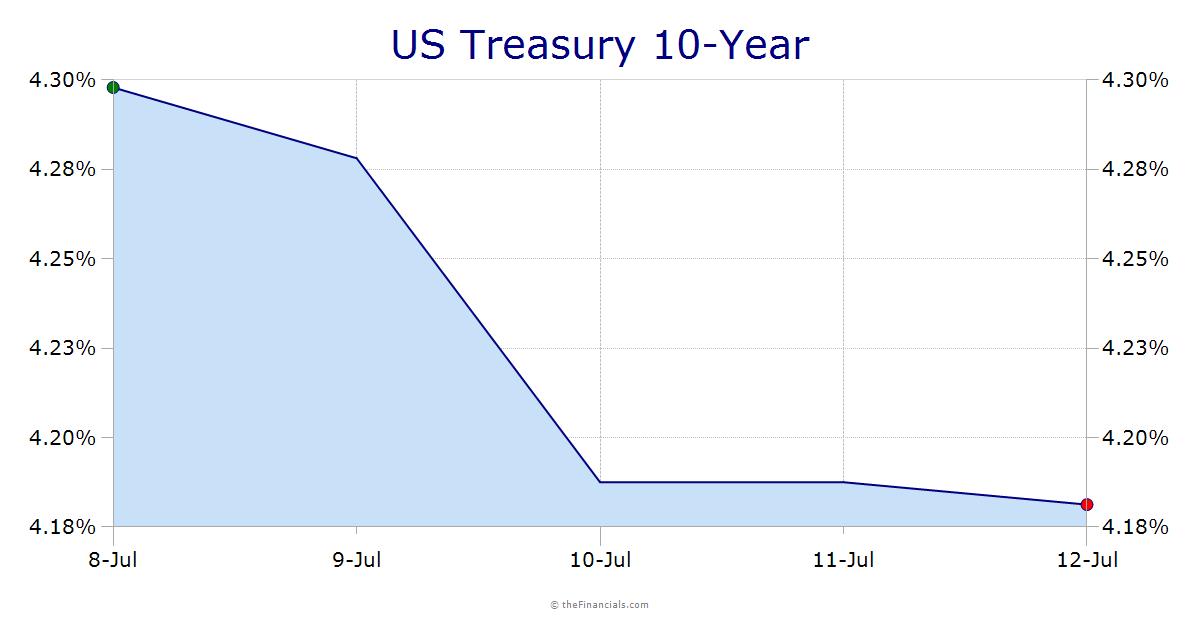
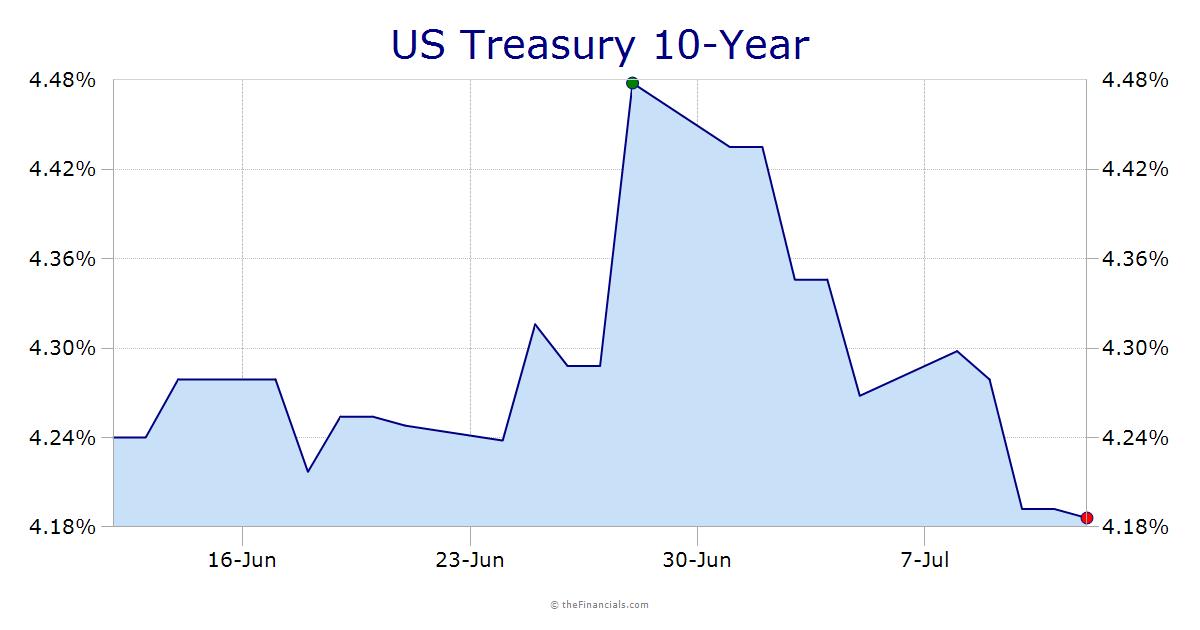
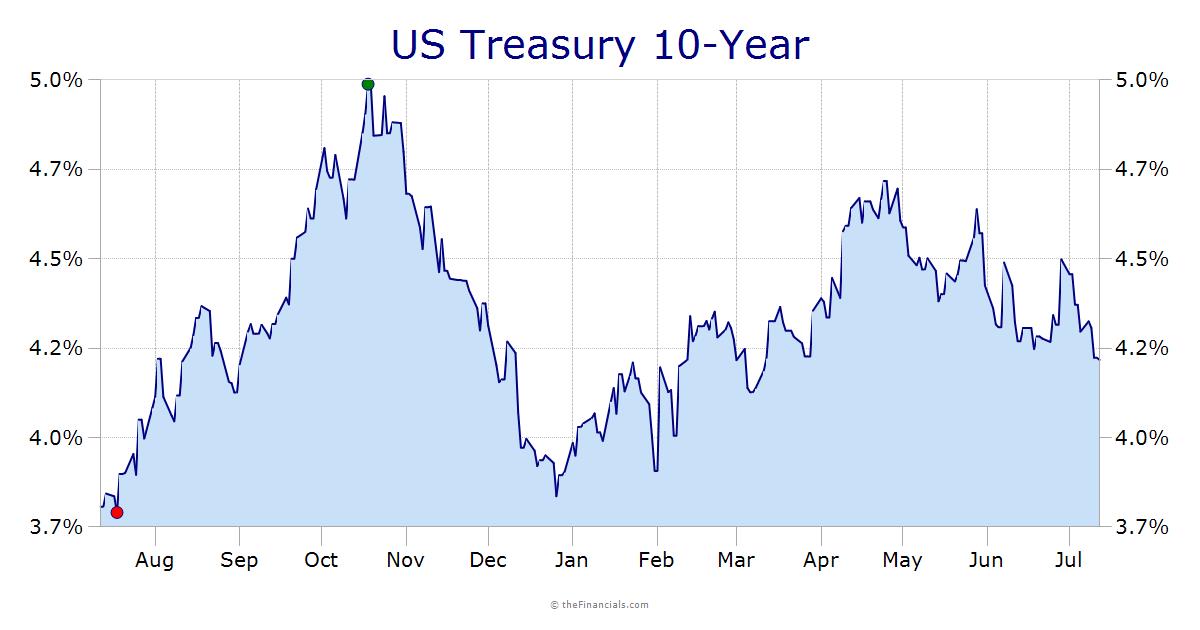
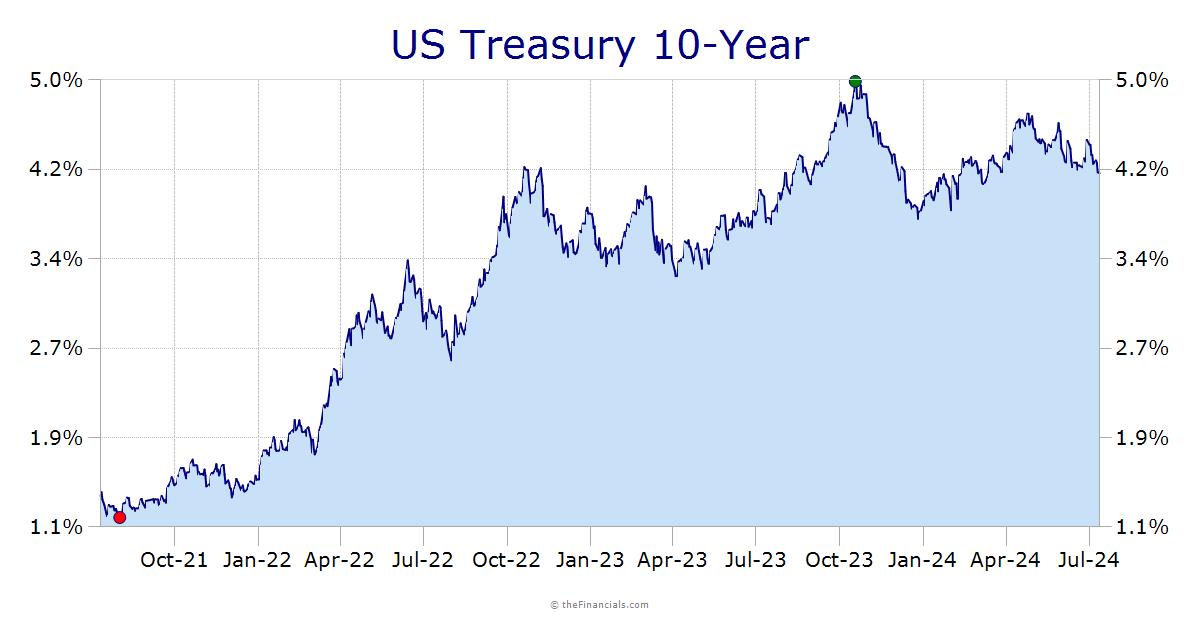
SOFR swap rates are the benchmark lenders use to price fixed-rate commercial real estate loans: the lender adds a spread to the 5, 7 or 10 year swap rate to set your loan rate. The table below shows current 5, 7 and 10 year swap rates, Treasury yields and SOFR, with the source and date of each figure.
Swap rates provide businesses and investors with crucial benchmarks for interest rate swaps, helping manage risk, hedge exposure, and optimize financing strategies in the financial markets.
SOFR and Treasury benchmark rates
This table shows daily benchmark rates from the Federal Reserve Bank of New York and the U.S. Department of the Treasury. These are benchmark rates, not live swap quotes. Actual swap pricing depends on the lender, the term and the transaction, and is available on request.
Rates refresh once a day from the official sources. SOFR and SOFR averages: Federal Reserve Bank of New York. SOFR data is subject to the Terms of Use posted at newyorkfed.org; the Federal Reserve Bank of New York is not responsible for this publication of the data and is not affiliated with Clopton Capital. Treasury yields: U.S. Department of the Treasury, daily par yield curve rates.
How swap rates relate to SOFR and Treasury rates
A SOFR swap rate is the fixed rate paid in exchange for floating SOFR over a set term, such as 3, 5 or 10 years. Lenders and borrowers use SOFR and Treasury yields as reference points when they price commercial real estate loans, and a swap can convert a floating-rate loan to a fixed cost. For a swap quote on a specific loan, contact Clopton Capital.
When pricing commercial real estate (CRE) loans, lenders typically reference index rates to determine your loan’s interest rate. In 2026, the Secured Overnight Financing Rate (SOFR) has largely replaced LIBOR as the primary benchmark. LIBOR is now only used as historical reference for legacy floating-rate loans.
The most common index rates for CRE loan pricing today include:
SOFR (1-month, 3-month, and term SOFR rates) — primary benchmark
Swap rates (5-, 7-, 10-year) — used for fixed-rate pricing
Treasury yields (5-, 7-, 10-year) — less common, sometimes used for pricing
Commercial loans are typically quoted as a spread over an index rate. Here’s how it works:
Example 1 – 10-year fixed rate: If the loan spread is 200 bps (2.00%) over the 10-year swap rate, you add 2.00% to the 10-year swap rate to get your current coupon.
Example 2 – 7-year fixed rate: With a 175 bps (1.75%) spread over the 7-year swap, the loan rate = 7-year swap + 1.75%.
Example 3 – Floating bridge loan: Historically, a bridge loan might have been quoted 350 bps (3.50%) over 1-month LIBOR. Today, it would likely be SOFR + spread, and you may use an interest rate cap to manage rate fluctuations.
Key Notes:
Swap rates are now the primary benchmark for fixed-rate CRE loans: CMBS, Fannie Mae, Freddie Mac, life insurance loans, and many bank loans.
Treasury-based pricing is less common but still used in some cases.
LIBOR appears only in legacy floating-rate bridge loans or older agreements.
Practical Considerations for Borrowers
Qualification requirements: Commercial banks may require higher credit scores than residential lenders. Businesses operating under a different name may need additional documentation to qualify.
Loan term and costs:
Terms can extend up to 30 years.
Swap rates directly impact your overall interest cost.
Pay attention to points and closing costs relative to prevailing swap/SOFR rates.
Advantages of commercial loans:
Lower default risk than consumer loans
Potentially lower interest costs (~15% savings in refinancing scenarios)
Scalability for long-term business growth
Get A Commercial Mortgage Refinance With Clopton
Commercial mortgage refinance is a process by which the interest rate on a commercial loan is reduced. Contact Us – 866-647-1650